
In my last post, I asked what other add-on vessels could help you produce more products from your machine. Here's one worth knowing about: the diamond miner, and how you use it as a cart sauce miner.
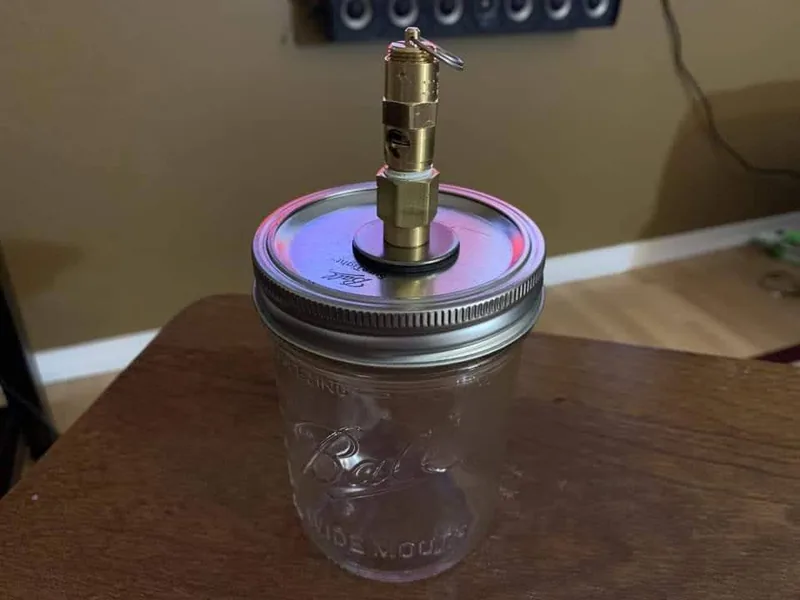
From Jar Tek to the Diamond Miner
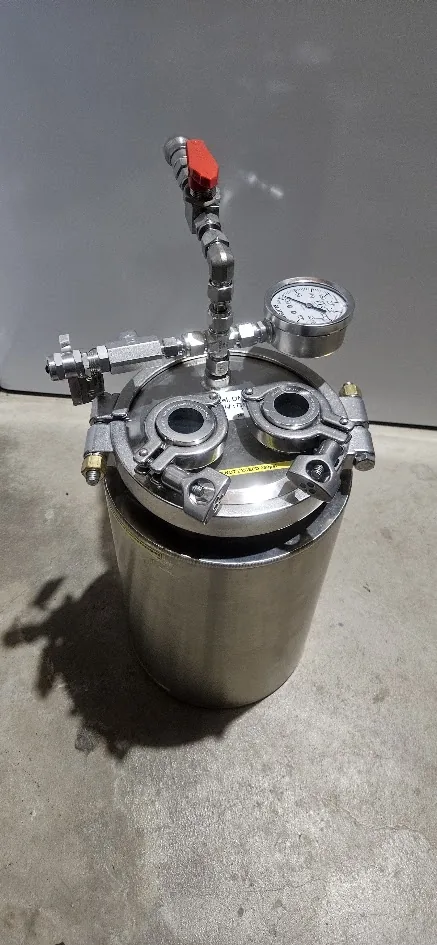
We've come a long way from jar tek. When it was all we had, it worked great, but glass jars aren't the safest things, and in the wrong hands they could be downright dangerous. When I came into ExtractionTek Solutions (ETS), they had already created the diamond miner. It was, for all intents and purposes, a stainless-steel jar. They work great for making diamonds (crystalline THC-A) and sauce, and they are a great addition to the Modular Extraction Platform (MeP) or any extraction machine.
What Is Cart Sauce?
One of the first Standard Operating Procedures (SOPs) that I developed for ETS was called cart sauce. It falls on the other end of the spectrum, as it's a fully decarboxylated Δ9 THC product. People have been making decarb oil for years, but the struggle is twofold. First, the terps can volatilize and be lost in the process. Second, the remaining terps can oxidize and turn dark or taste less than wonderful. Cart sauce helps with both of these issues.
Turning a Diamond Miner Into a Cart Sauce Miner
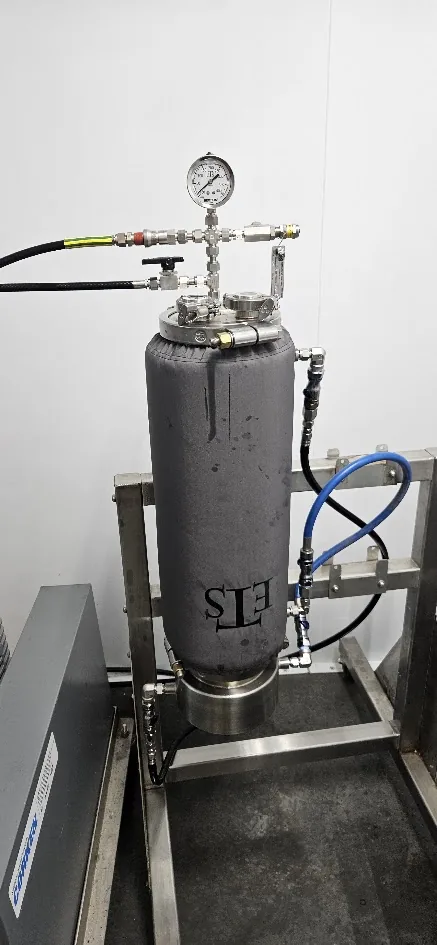
A diamond miner is just a jacketed vessel, so it can be heated or cooled. It becomes a cart sauce miner once you heat it up to decarboxylation temperatures. This typically requires new high temperature hosing.
Depending on how fast you want the process to go, you can even use Heat Transfer Fluid (HTF) like a silicone oil to get even hotter than plain water or water and glycol mixtures. Water can only get up to around 180°F/83°C before it starts to create issues in the heaters. Silicone HTF can get much hotter.
Time, Temperature, and Agitation
Decarboxylation is all about time and temperature. The equation for decarboxylation applies once all of the concentrate is heated to the precise temperature, and that can take a relatively long time in a plain miner.
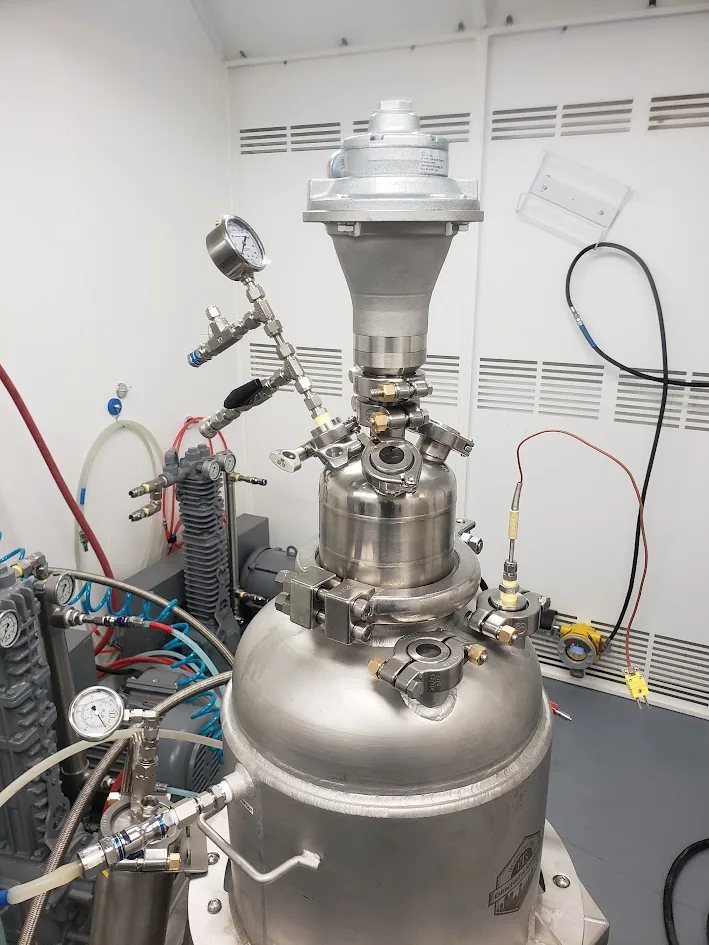
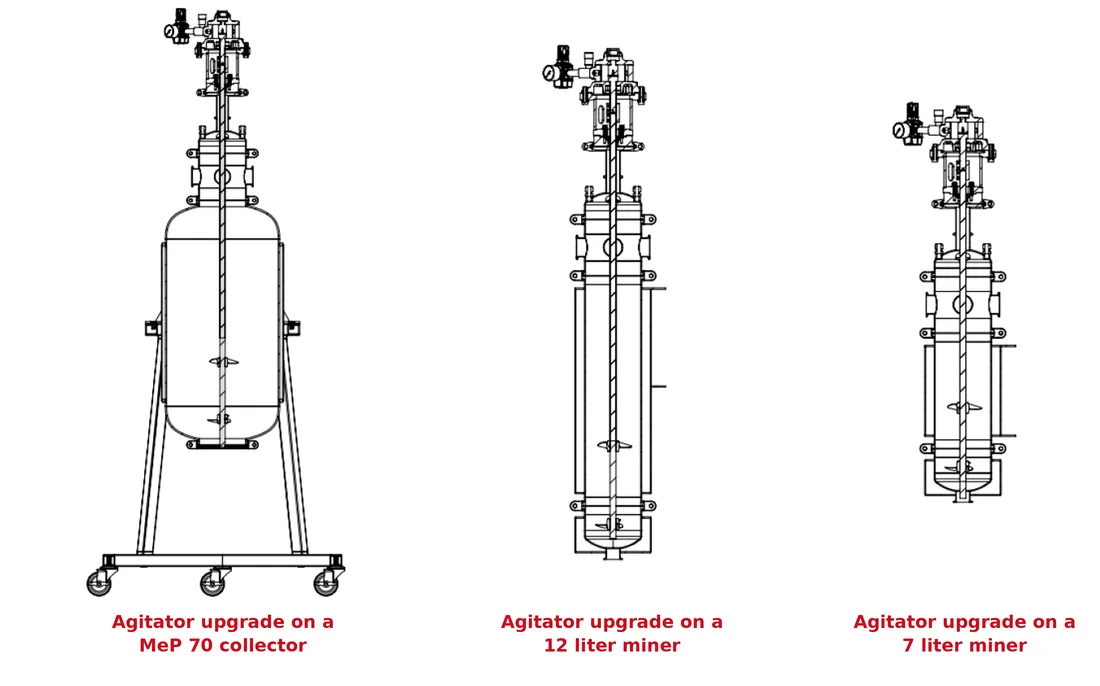
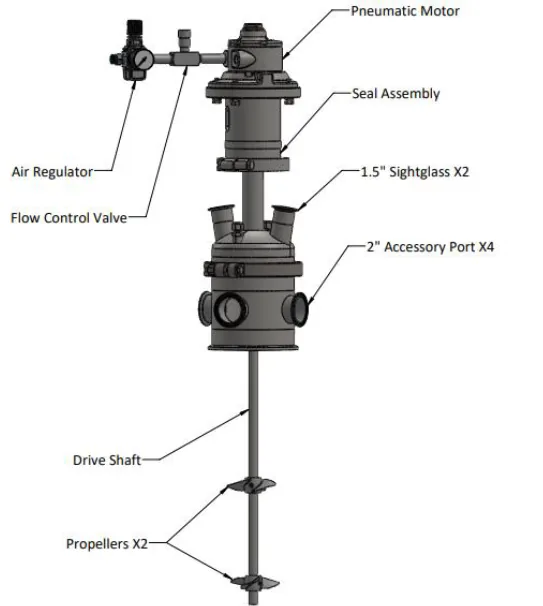
One of the first upgrades I started working on was adding an agitation head to the miners. I sourced a pneumatic version to ensure we maintained C1D1 compatibility, so you could perform the operation inline with the extractor. Agitating the solution speeds up the process significantly. It basically creates a stainless steel, pressure rated reactor.
Vacuum and Pressure Rating
The cart sauce miner can be vacuumed free of atmosphere to mostly eliminate the presence of oxygen. It can also hold up to 350 PSI of pressure, provided it's a 6" vessel. We had clients use the big ASME vessels, and they are only rated to 250 PSI.
Start With Fresh Frozen
Fresh frozen extract will pretty much always have a higher terpene content than dried material. The drying process can reduce terpene content in plant material drastically. The process can work with dried material, but fresh frozen is preferred.
Extract the material just like normal, but instead of removing it from the collection vessel, send it over to the cart sauce miner. This only works if the extraction machine has a spout on the bottom of the collector that can attach a solvent hose and connect to the miners. This allows the concentrate to stay under vacuum the entire time.
Remove the Solvent First
It's important to have the vast majority of hydrocarbon solvent removed from the concentrate, since we will be heating it up much more than the collection vessel will. Too much solvent can create extreme pressure, especially if there is any propane, which can blow the Pressure Relief Valve (PRV). The miner can be used at collection vessel temps to finish eradicating the solvent and hooked into the recovery system to capture the remaining solvent.
Heat, Hold, and Cool
Once the solvent is out, the temps can be increased and the decarboxylation can begin. Anything that vaporizes at or below the temperature that is applied will mostly evaporate, but since it's a closed, pressure rated vessel, those compounds just hang out in the head space.
Once the time and temperature requirements have been met, the heat is turned off and the vessel is allowed to cool back down to room temp. This causes the terps to recondense back into the solution, but it's still warm enough to keep the residual solvents from recondensing. The finished product is fully decarboxylated, full of terps, and should be at 0 PPM of residual solvent. It should be ready to fill into carts or even sold as a dabbable concentrate.
Want to speed up your recovery times? Read Speeding Up Solvent Recovery, Part 1 to see how an upgrade to your collection vessel or potentially a new collection vessel can help.
Let Me Help You Get It Done
I have a written SOP for this technique that can be purchased.
I can provide the equipment, help install it, and train your operators to use it. Contact me at dustin@bettervision-llc.com, or see our full equipment services.
Want to make cart sauce?
Dustin can supply, install, train, and provide the SOP.