
Recovering solvent is the typical pinch point in most operators' extraction process. There are ways to speed it up, and I'm going to talk about them in this two-part series. In part 1, I'll cover the heat side: recovery pumps, heaters, and heat exchange. In part 2, I'll cover feeding the evaporator, vapor line sizing, and the cooling side.
Bigger Recovery Pumps Aren't Always the Answer
I've seen a lot of folks try adding bigger recovery pumps because they see the advertised pounds per minute of recovery. Yes, they can go faster, but only if there is enough evaporated solvent to feed them. Believe it or not, they can actually slow the process down if they aren't fed enough vapor.
The more vapor that can be produced in the collection vessel, the faster the recovery can go. Most recovery pumps will pull a vacuum on the collection vessel if they are not fed constant vapor. A vacuum lowers the temperature in the collection vessel and slows the evaporation process down, which in turn slows the recovery.
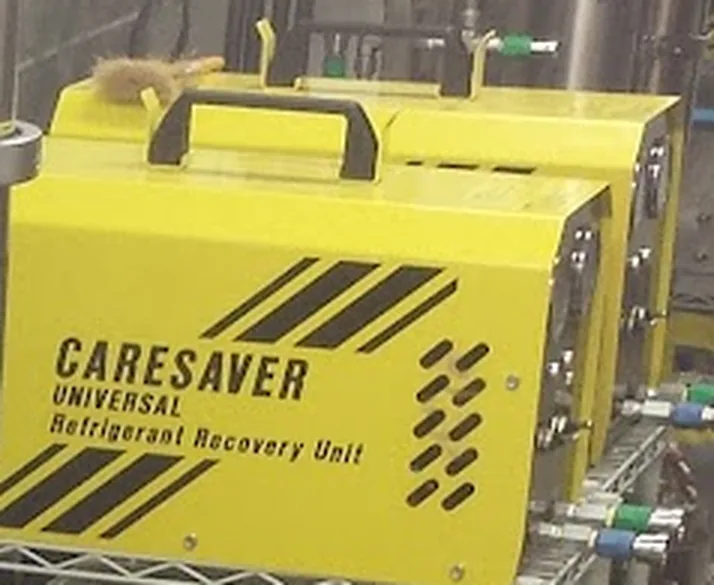
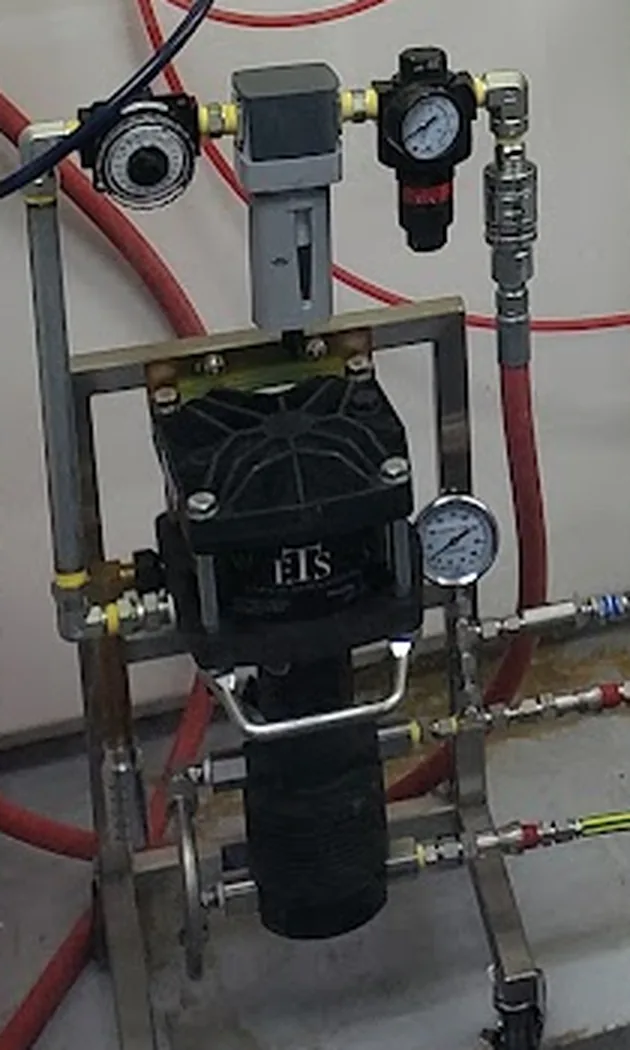
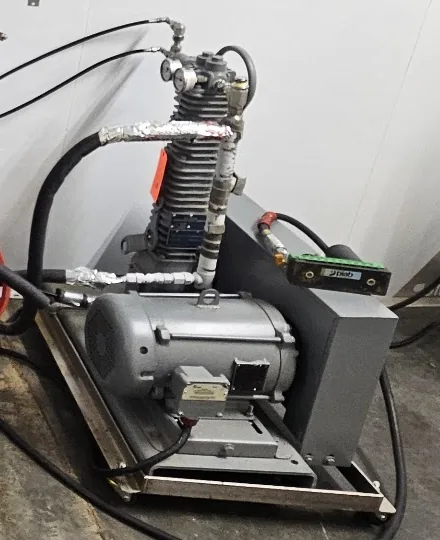
Colder Solvent Needs a Bigger Heater
Frequently, I would see operators upgrade their equipment by adding an ultra-low temperature chiller to the operating tank and material vessels. A cold operating tank can reduce the pressure of the tank and help to speed up recovery. The problem, though, is that they wouldn't upgrade their heater. So now they have an even colder solvent coming into the collection vessel.
Colder solvent requires more energy to warm up enough to evaporate. If the operator is using the same amount of energy as they were with a warmer solvent, then the colder solvent will take longer to warm. Adding a more powerful heater will, in most cases, speed up recovery.
Heat Exchange Matters, Not Just Heat
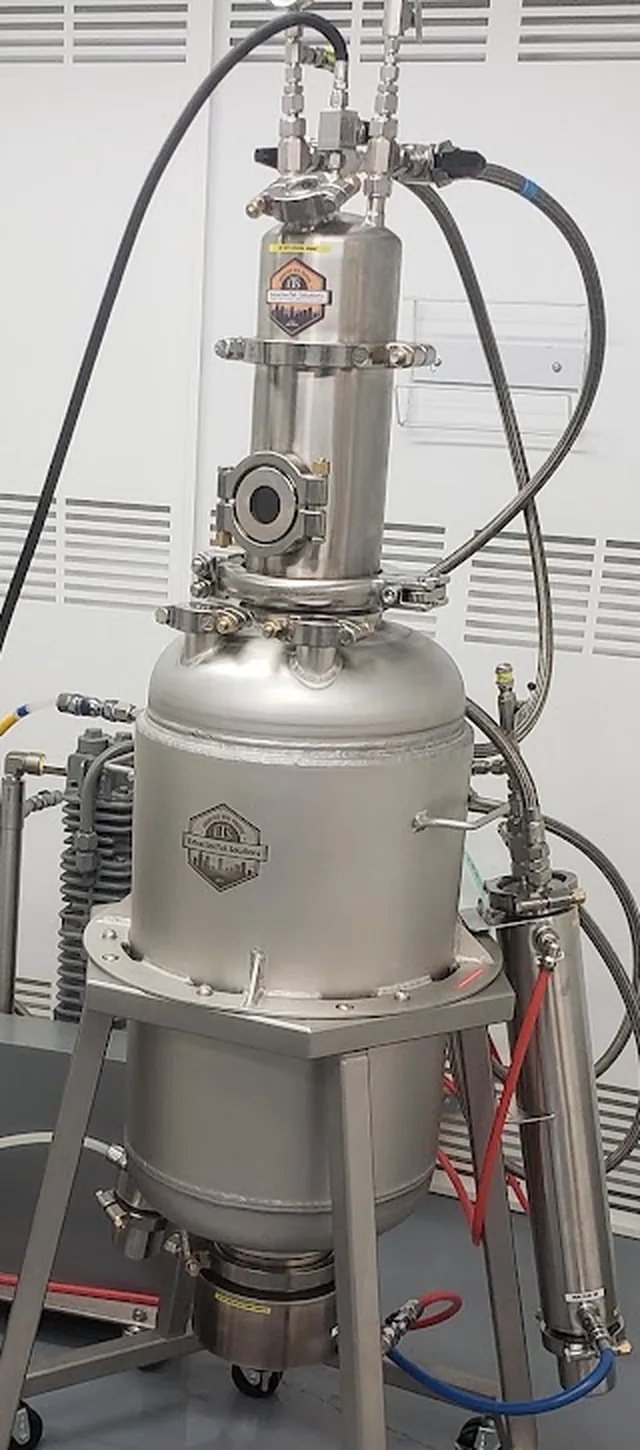
Just because you have a bigger heater doesn't always mean you will go faster. The exchange of heat is a big factor. The MeP 30 collector was a simple jacketed vessel that feeds from the bottom and exits the top. It is not the greatest way to evenly distribute the heat throughout the entire vessel.
The MeP XT 70 collection vessel used baffles inside so that the heat is a lot more evenly distributed, and it speeds up recovery. The team at Fluxwerx redesigned the MeP 30 collector and added baffles internally, and they succeeded at increasing recovery rates by doing so.

Upgrade the Heat Exchanger
This brings me to my next option for speeding up recovery: upgrading the heat exchanger. Applying heat to the outside of the large vessel does the job. Adding heat to several smaller tubes does the job better. A shell and tube heat exchanger does just that. The solvent is pushed through a series of smaller tubes that are all being heated. This increases the surface area that the solvent is exposed to and increases the evaporation rate.
We demonstrated this on the falling film evaporator. We were easily able to achieve rates of more than 10 lbs of recovery per minute by utilizing the falling film evaporator. That was the first time we ever saw a need to jump into a larger recovery pump. It was also the first time we saw the bottleneck turn from evaporation to feeding the evaporator.
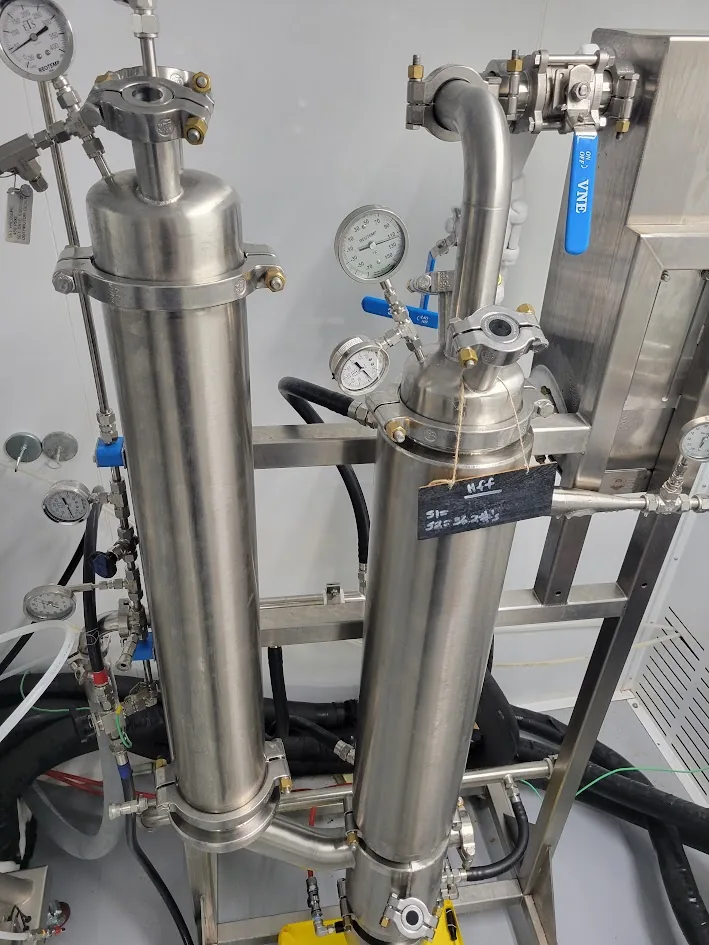
Feeding the evaporator is where holding vessels come in. Tune in to part 2 to see how to feed it, how to set up your temperature zones, and what to do about vapor line sizing and the cooling side of the machine.
Let Me Help You Get It Done
I can provide these upgrades, help install them, and train your operators to use them. Contact me at dustin@bettervision-llc.com, or see our full equipment services and MeP operator training.
Is recovery your bottleneck?
Dustin can size, supply, install, and train.